
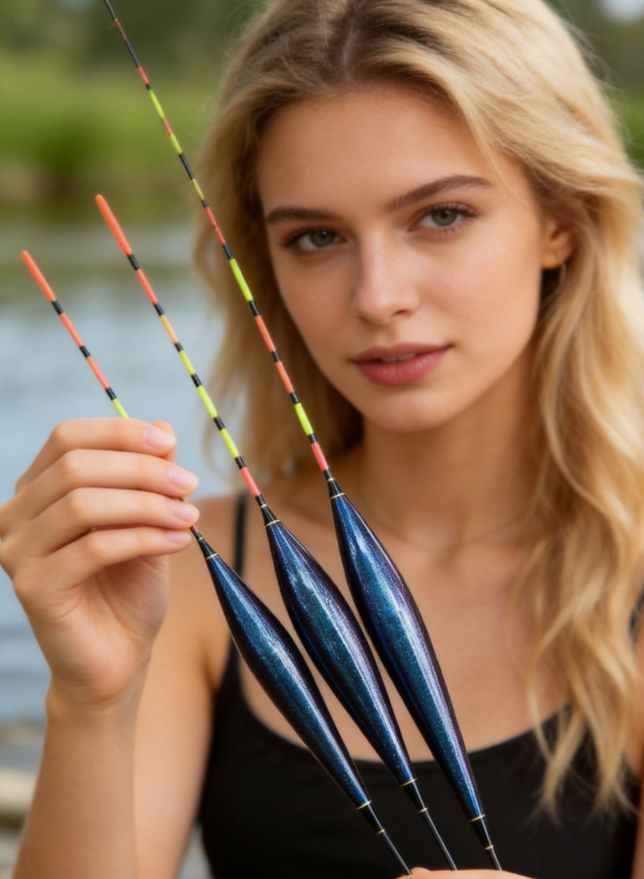


浮漂选购指南
Fishing is a joyful blend of skill, patience, and gear selection—especially when it comes to choosing the right fishing float (also called a bobber in North America or a quill in traditional European angling). For anglers new to float fishing, or those looking to upgrade their setup, the key to success lies in matching your float to the fish conditions. A well-chosen float will help you detect the faintest nibbles, avoid false signals, and land more fish. In this guide, we’ll break down how to select the perfect float based on fish species, size, feeding habits, and activity levels—with clear, practical advice for both beginners and experienced anglers.
First: Understand the Core Function of a Fishing Float
Before diving into fish conditions, let’s clarify why a float matters. A fishing float is a lightweight buoy attached to your line that serves four key purposes: it acts as a visual bite indicator, suspends your bait at a predetermined depth, helps cast your bait farther, and keeps your hook from getting stuck on the bottom (especially in weedy or rocky areas). The right float will balance sensitivity (to detect small bites) and stability (to avoid being knocked around by wind or current), and this balance is entirely determined by the fish you’re targeting.
Key Fish Conditions to Consider (and How to Match Your Float)
The most important factors to consider when choosing a float are fish species, fish size, feeding intensity (bite strength), and fish activity level. Below is a detailed breakdown for each scenario, with bilingual tips to make your selection easy.
1. By Fish Species: Different Fish, Different Floats
Different fish have unique feeding habits and behaviors, so your float must adapt to their characteristics. Here are the most common target fish and the best float choices for each:
Small Fish (White Bream, Small Crucian Carp, Minnows)
English Tips: Small fish have weak suction and fast, quick bites—they often “nibble and run” before you can react. Choose a small, slim float (jujube-shaped is ideal) with a light lead capacity (1–2g) and a thin tip. The small float body and light lead will make it highly sensitive, allowing you to detect even the faintest nibbles. Nano or balsa wood floats work best here, as they’re lightweight and responsive.
Large Fish (Carp, Grass Carp, Black Carp)
English Tips: Large fish are cautious and have strong, steady bites. They often test the bait before swallowing it, so you need a long, streamlined float with a medium lead capacity (3–5g). The long float body reduces disturbance when entering the water, avoiding spooking the fish, and the medium lead keeps the bait stable at the bottom. Balsa wood or nano floats are recommended—they’re stable enough to filter false signals from small fish, but sensitive enough to detect large fish bites.
Skittish Fish (Old Fish, Pressured Fish)
English Tips: Skittish fish (often called “slip-mouth fish”) have very light, tentative bites—they will touch or nudge the bait before eating it, creating many false signals. Choose a soft-tip float (reed or peacock feather) with a long, thin body and light lead capacity (1–2.5g). The soft tip filters false signals (like fish bumping the line or nudging the bait) and only transmits the strong, downward bite that indicates a real feed. Reed floats are especially good here, as they’re ultra-sensitive and transmit signals quickly.
2. By Bite Strength: Light Bites vs. Aggressive Bites
The strength of the fish’s bite (determined by water temperature, oxygen levels, and fish activity) directly affects your float choice. A float that’s too big will miss light bites, while a float that’s too small will be unstable for aggressive bites.
Light Bites (Winter, Low Oxygen, Skittish Fish)
English Tips: When fish are less active (e.g., cold winter water or low oxygen), their bites are weak and slow. Choose a small float with a thin tip and light lead capacity (1–2.5g). The thin tip amplifies small movements, and the light lead ensures the float moves with even the slightest suction. Avoid thick-tipped floats—they require more force to move, making it easy to miss bites. Reed or nano floats are ideal here.
Aggressive Bites (Summer, Newly Stocked Fish)
English Tips: In warm water or when fishing for newly stocked fish, fish are active and feed aggressively—they often “snatch” the bait. Choose a slightly larger float with a thick tip and medium lead capacity (2.5–4g). The thick tip is easy to see from a distance, and the medium lead filters messy signals (like small fish nibbling) to avoid frequent empty hooks. Balsa wood floats are perfect here—they’re stable and durable, handling aggressive bites without breaking.
3. By Fish Activity & Nest Disturbance: Dealing with Schooling Small Fish
If you’re dealing with a lot of small fish (like whitebait or minnows) that are swarming the bait (called “nest disturbance”), your float will be pulled around constantly, creating false signals. The solution is to choose a float that helps your bait sink quickly to the bottom, avoiding small fish intercepting it.
English Tips: For heavy nest disturbance, choose a long float body with a large lead capacity (3g+). The long body is stable, and the large lead pulls the bait down quickly to the bottom, where larger target fish are. Avoid small, sensitive floats—they will be pulled around by small fish, leading to constant false signals. Nano or balsa wood floats with a thick tip are recommended, as they’re easy to see and stable in messy water.
Bonus: Float Material Tips for Beginners
After matching your float to the fish conditions, choosing the right material will improve your experience. Here are the most common float materials and their pros and cons, perfect for beginners:
- Nano Float: Durable, waterproof, and stable in buoyancy. Moderately priced, it’s the best choice for beginners—it works in all scenarios and is easy to maintain.
- Balsa Wood Float: Stable, with medium buoyancy. Affordable and durable, it’s great for aggressive bites and large fish. Perfect for beginners who want a balance of stability and sensitivity.
- Reed Float: Ultra-sensitive, with fast signal transmission. Great for light bites and skittish fish, but more delicate and slightly expensive. Recommended for experienced anglers or those targeting skittish fish.
Final Cheat Sheet: 4 Easy Rules to Remember
To make it even easier, here’s a simple cheat sheet to help you choose the right float in seconds—perfect for on-the-spot decisions:
- Shallow water / small fish / light bites → Small float + light lead + thin tip (sensitive)
- Deep water / large fish / aggressive bites → Long float + heavy lead + thick tip (stable)
- Current / murky water → Anti-current float + heavy lead + high-visibility tip
- Lots of small fish → Long float + heavy lead (sink quickly, filter false signals)
Final Thoughts
Choosing the right fishing float isn’t about buying the most expensive one—it’s about matching it to the fish conditions you’re facing. By focusing on fish species, size, bite strength, and activity level, you’ll be able to select a float that detects every bite and helps you land more fish. Remember: even a cheap, well-matched float is better than an expensive one that’s unsuitable for the situation.
Whether you’re fishing in a calm lake, a flowing river, or a murky pond, this guide will help you make the right choice. Grab your float, head to the water, and enjoy the thrill of watching that float dip—your next big catch is waiting!